
Okay, so I am going to start with something embarrassing. For probably the first year and a half I played pickleball, whenever someone drove the ball hard at me from the kitchen, I just kind of panicked. Like genuinely did not know what to do. Sometimes I got lucky, and it went back. Mostly, I either jammed it into the net or popped up this horrible sitter that they put away without even thinking about it.
I thought it was a reaction time thing, that I just was not fast enough. Then someone told me I was gripping the paddle like I was trying to strangle it, and everything kind of started to make sense.
The reset shot pickleball people talk about is not about speed or athleticism. It is about doing something with your hands and your body that feels completely wrong until it suddenly does not. This is what I worked out. There is also a worthwhile article available on USA Pickleball on Reset Shot in Pickleball.
What We’re Covering
1. What the Reset Shot Actually Is and Why It Matters
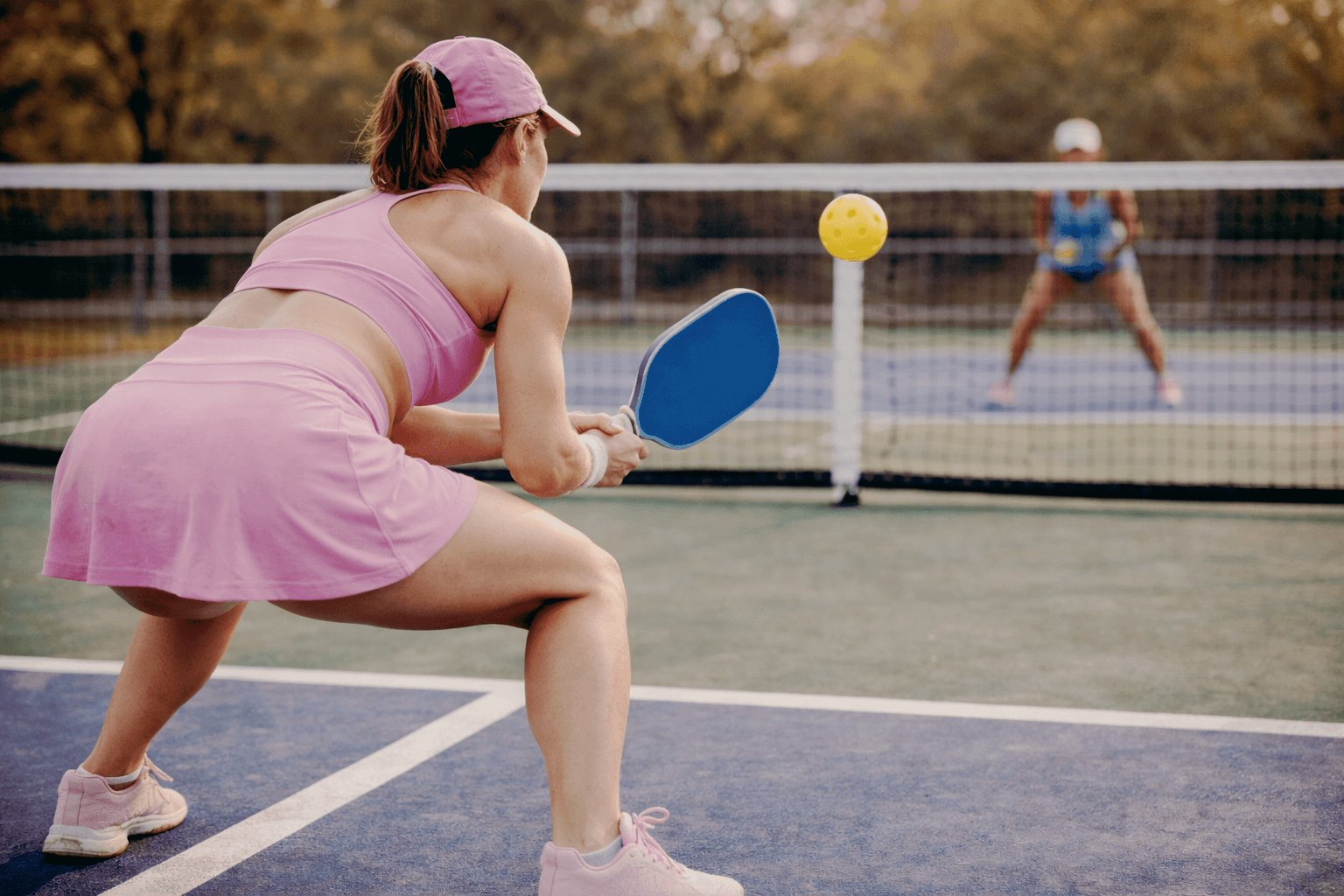
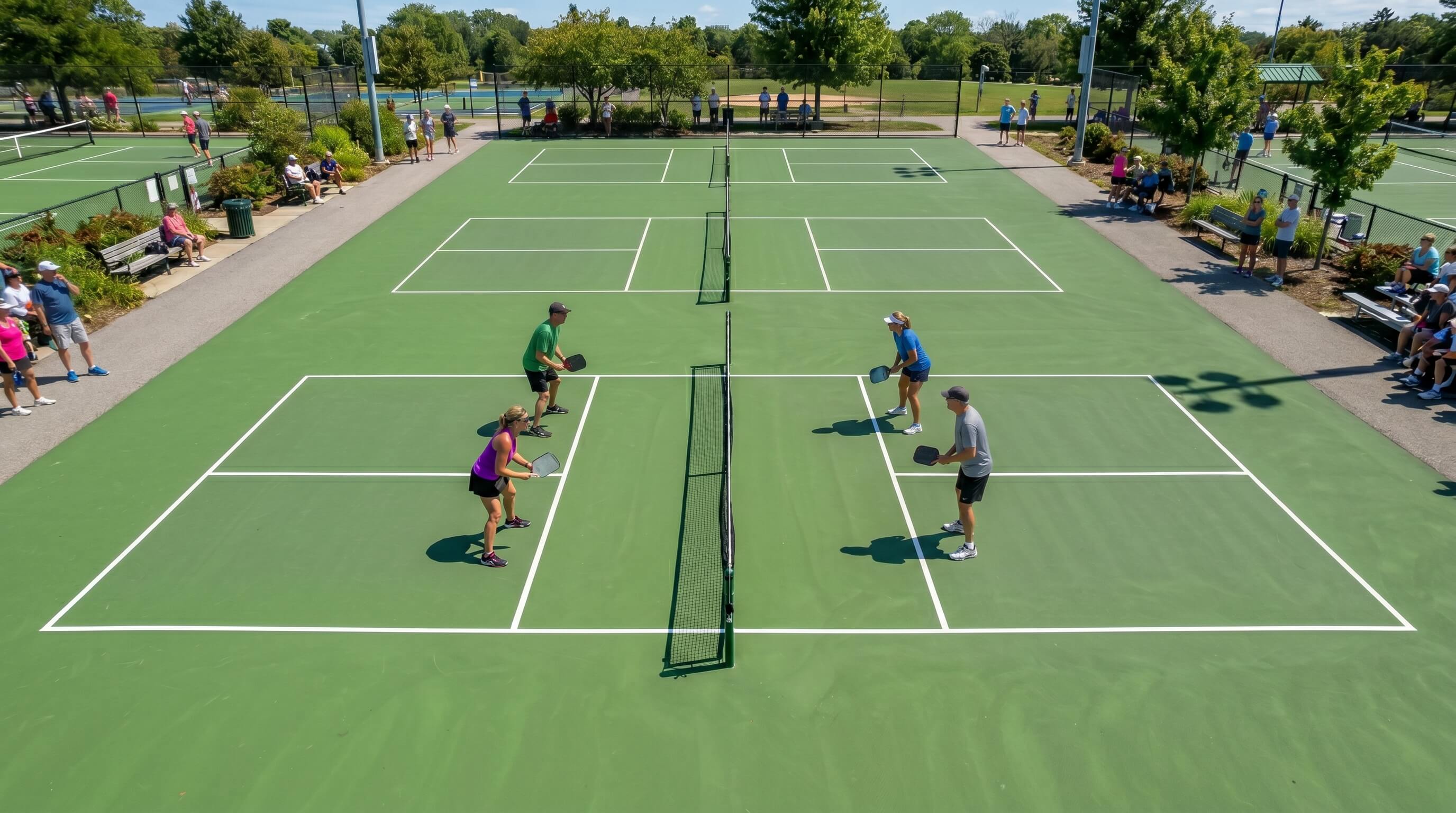
People use the term loosely, so let me just clarify what I mean when I say reset shot pickleball. A reset is any shot you hit when you are under pressure, usually at or near the kitchen line, where someone has attacked the ball hard at you, and your only goal is to get it back soft and low over the net. You are not trying to win the point with a reset. You are trying to survive the point and get back into a neutral or even favorable position.
That last part is important. A lot of players think of the reset as a defensive panic shot. Just getting the ball back. But if you execute it well, a good reset actually shifts the momentum. You take a ball that was meant to end the rally and you turn it into a soft unattackable return that lands in the kitchen. Now the attackers have to reset themselves. The whole dynamic of the point changes.
I started really paying attention to this shot about eighteen months into playing. Before that, I just kind of hoped for the best when someone drove at me. Sometimes I got lucky. Mostly, I gave the point away. What changed was that I started watching better players and noticing how they handled pace. They were not blocking the ball, not just sticking their paddle out. They were doing something specific with their hands and their body that I could not quite name at first.
It took a while to understand and even longer to replicate. But the reset shot in pickleball is probably the single skill that has improved my game more than anything else in the last year. More than my serve, more than my third shot drop, more than anything.
2. Why Most Players Fail at It Under Pressure
Let me describe what happens to most recreational players, myself included, for a long time, when someone drives the ball hard at them from close range.
The ball comes fast. Your instinct kicks in. You either pull back and tighten your whole arm trying to control the contact, or you lunge forward and swipe at it, trying to do something aggressive back. Both of those responses feel natural in the moment. Both of them almost always produce a bad result. The pullback gives you a dead shot that usually clips the net or sits up way too high. The lunge gives the attacker exactly what they wanted, pace back on a ball they can put away easily.
2.1. The Instinct Problem
The core issue is that our instincts are wrong for this shot. When something comes at us fast, we either flinch away from it or we try to hit it back just as hard. Neither of those is the right answer for a reset. The right answer is to do something that feels almost counterintuitive, stay loose, move toward the ball slightly, and absorb the pace rather than fight it. That goes against everything your body wants to do in that moment.
I had a bad habit, specifically of backing up when someone drove at me. I would take a small step back, thinking I was giving myself more time. But stepping back actually makes the reset harder because you are contacting the ball further behind the ideal position, and your weight is going away from the target. The ball has nowhere to go but wrong.
2.2. Trying to Do Too Much
The second failure pattern is trying to be too precise with the reset. You see the kitchen, you try to aim for a specific spot, you overthink the contact, and either steer it into the net or lift it too high. The reset shot in pickleball does not need to be perfect. It just needs to be low and unattackable. Wide is fine. Anywhere in the kitchen is fine. Players who are stuck on this shot are often stuck because they are trying to hit a great reset instead of just a safe one.
Once I lowered my expectations for what the shot needed to accomplish, my success rate went up immediately. I stopped trying to drop it three inches from the line and started just aiming for somewhere in the front half of the kitchen. The margin got bigger, and the mistakes got fewer.
3. The Hands Problem, Grip Tension and Soft Contact
3.1. Why a Tight Grip Kills the Reset
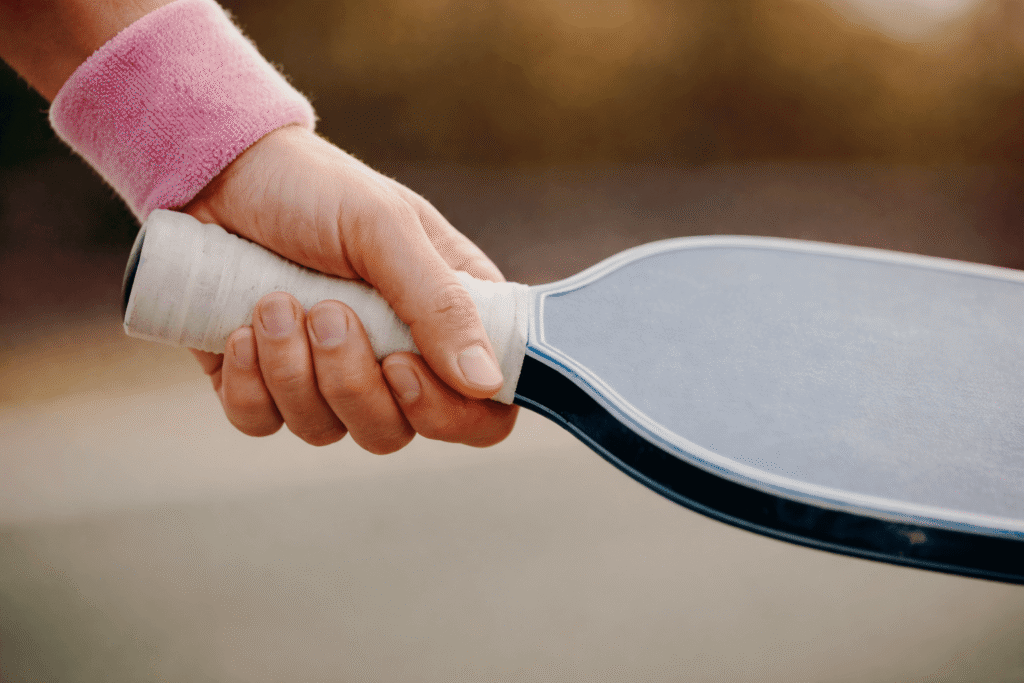
This is the most important technical thing I can tell you about the reset shot pickleball technique. Your grip when you hit this shot needs to be genuinely loose, softer than feels comfortable. Not a little loose. Actually loose, like you are holding a paper cup without crushing it. Most players grip harder when the ball comes fast because tight feels like control. But a tight grip transfers energy back into the ball. The ball bounces off hard and goes wherever it wants.
A loose grip does something different. It absorbs. The pace of the incoming ball gets dampened by the soft hand rather than reflected. Think of the difference between catching a ball with a stiff arm versus letting your arm give slightly as you catch it. The stiff arm bounces the ball off. The soft arm absorbs it. That is the physics of what is happening with your grip on a reset.
I know this sounds simple. It is not simple to actually do in a game when someone is driving at you. Every instinct you have says grip tighter. You have to actively override that instinct, and it requires practice to make the loose grip feel natural under pressure rather than just in a drill.
3.2. The Contact Point for a Good Reset
Beyond grip, contact point matters a lot. You want to be hitting the ball slightly in front of your body, not beside your hip, not behind you. When the ball gets past your ideal contact zone and you are reaching back, a soft reset becomes almost impossible. You lose the angle and you lose the ability to feel what the paddle face is doing.
The paddle face on a reset should be slightly open, tilted back just a little, so the ball goes up and over the net rather than flat into the tape. Not a big tilt. Just enough to get loft without height. When players hit too many resets into the net it is almost always because the paddle face is too vertical or slightly closed at contact.
4. Body Position and Where You Need to Be
4.1. Staying Low Changes Everything
There is one body position cue that helped me more than anything else with the reset shot in pickleball and it is just this: get low and stay low. Bend your knees, get your center of gravity down, and keep it there through the whole shot. Most recreational players stand fairly upright and then try to dip down at the last second when a low ball comes. That last-second dip is rushed and unstable. If you are already low, you have a stable platform to work from and you can actually feel the shot.
Low body position also helps your eyes. When you are bent down and your head is closer to the height of the ball, you see the contact point better. Everything is clearer. The ball looks slower. I know that sounds weird but it is genuinely true. Play around with getting lower than you think you need to be and see if the ball does not seem a little easier to track.
4.2. Weight Forward Not Backward
Same principle as the third shot drop honestly. Your weight needs to be moving forward into the reset, or at least neutral. The moment your weight goes backward you have lost the shot. You end up blocking from behind your own body and the paddle face does unpredictable things.
A small forward lean, knees bent, weight on the balls of your feet. That is the position you want to be in when someone is attacking. Not upright, not leaning back, not flat-footed. It takes practice to hold that ready position consistently, especially in a long rally when you get a little tired and start to stand up.
4.3. Give Yourself Space From the Kitchen Line
One thing that surprised me when I started working on resets was how much easier they got when I gave myself a tiny bit of space from the kitchen line. Not backing up to mid-court. Just a few inches or a foot off the line. When you are jammed right up against the kitchen, a low drive at your feet gives you almost no options. A small step back creates just enough room to get under the ball and absorb it rather than stab at it.
5. Reading the Attack Before It Happens
This is a part of the reset shot pickleball conversation that almost never comes up and it is genuinely one of the most useful things I have worked on. Reading the attack before it happens gives you a head start that changes everything.
5.1. Watch the Opponent’s Paddle Not the Ball
Most recreational players watch the ball. That is natural. But by the time the ball leaves your opponent’s paddle, you are already reacting late. If instead you watch the paddle face and the shoulder of the person about to hit, you can pick up signals about what kind of shot is coming before the ball is even struck. A big shoulder turn, a high backswing, paddle face coming down. That is a drive. You can start preparing for a reset half a second before the ball is in the air.
Half a second sounds tiny. On a fast drive from close range, half a second is enormous. It is the difference between being set and ready versus catching the ball completely off guard and just surviving.
5.2. Pattern Recognition at the Kitchen
Beyond individual shot cues, pay attention to patterns. Some players always speed up from the same position. Some only attack when the ball is above net height. Some telegraph their attacks with their footwork. Once you have played against someone for a few points you can start to predict when the attack is coming and get yourself ready even earlier.
I played against a woman a few months ago who basically only drove the ball when it sat up above her waist. Every single time. Once I noticed that I started getting into my reset stance early whenever I saw her setting up with a high ball. My reset percentage against her attacks went through the roof just from that one adjustment.
6. The Mental Side, Staying Calm When the Ball Is Coming Fast
This one is hard to write about without sounding like a self-help book so I will just try to be honest about what I have experienced.
6.1. Fear of the Ball Is Real
A lot of players, and I was absolutely one of them, have a mild fear response when someone drives the ball hard at their body from close range. It is not dramatic. You do not freeze or duck. But there is a flinch, a small panic that happens in the fraction of a second before you hit and it tightens everything up. The grip goes tight, the arm stiffens, and the reset shot pickleball technique you have been practicing goes out the window.
The only thing that fixed this for me was deliberate exposure. I asked people to drive at me on purpose during practice. Hard, directly at my body, over and over. It was uncomfortable at first. But after enough reps the incoming ball started to feel normal rather than threatening. The flinch stopped happening automatically. My hands stayed loose because they had been through it enough times that there was nothing new to be scared of.
6.2. Accepting That Some Will Not Work
The other mental thing is accepting imperfection on this shot. Even very good players miss resets. It is a hard shot under pressure and the margin for error is genuinely small. If you go into a rally expecting to execute every reset perfectly, a miss will throw you off and the next one will be worse. If you go in accepting that some will miss, a bad
6.3. one is just information. You shake it off and move on.
The players I know who execute the pickleball reset shot best under pressure are not the ones who never miss. They are the ones who look exactly the same after a miss as after a good one. That emotional consistency is actually a skill and it is trainable the same way the physical mechanics are.
6.4. Slow the Game Down in Your Head
One mental trick that genuinely helped me was consciously trying to slow everything down when I saw an attack coming. Not literally slow the ball down obviously. Just slow my own reactions. Take a breath, drop my shoulders, go loose. It sounds like it would make you slower but it actually makes you sharper because you stop fighting against the pace and start working with it.
7. How to Actually Build This Skill
7.1. The Wall Drill Nobody Talks About
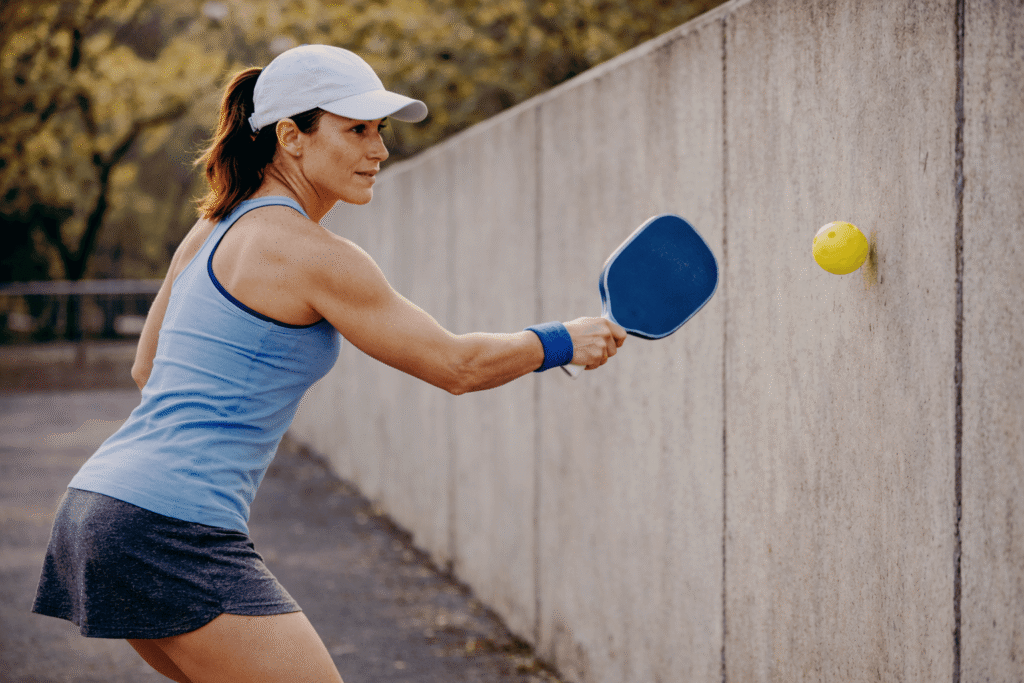
One of the best ways to develop soft hands for the reset shot pickleball is hitting against a wall. Stand close, maybe six or seven feet away, and tap the ball gently against the wall over and over with a completely loose grip. The ball comes back fast from that distance and you have to absorb and redirect. Your hands have to be soft or the ball goes wild. Start slow and gradually move a little closer. It sounds boring but fifteen minutes of this a few times a week builds hand feel faster than almost anything else.
7.2. Partner Feed Drills With Real Pace
You need someone to actually drive at you. Not soft feeds. Hard drives at your body, your feet, your backhand. This is uncomfortable at first and that discomfort is the whole point. You are training your nervous system to stay calm under incoming pace.
Start with your partner driving from the transition zone, not from right on top of you. As your resets get more consistent, have them move closer and hit harder. The progression matters. Too much pace too soon and you just develop bad compensating habits. Build up gradually.
7.3. Play Specific Points With One Goal
Play practice points where your only job is to execute the reset shot in pickleball every time someone attacks. You are not trying to win the rally. You are not looking for a putaway. Just reset, reset, reset. Have your partner or opponent attack aggressively on purpose. Score these points only on reset execution, not on who wins. This kind of focused practice is worth ten times the generic games where resets happen occasionally by accident.
7.4. Film Yourself if You Can
I know this feels awkward and most people never do it. But even a phone propped up on a bag at the side of the court for twenty minutes tells you things about your own mechanics that no amount of self-analysis during play can match. I watched myself once and saw that I was standing completely upright every time someone attacked. I thought I was getting low. I was not even close. Seeing it fixed it in about two sessions.
8. What Changed Once I Stopped Fighting the Ball
I want to be straight with you about how long this took. The reset shot is not something I figured out in a month. It is honestly still something I am working on. Some days it feels natural and automatic and some days I am right back to that panicky stab that sends the ball into the bottom of the net.
But the shift that made the biggest difference was a mindset thing more than a technique thing. I stopped thinking of the pickleball reset shot as a defensive shot and started thinking of it as a tactical one. When I hit a good reset I am not just surviving. I am making a choice to redirect the energy of the rally. The opponent put pace into it expecting to get pace back or a mishit. Instead they get a soft ball in the kitchen and now they have to start over. That is actually a win even though it does not feel like one.
There was a Tuesday game a while back where I was playing with a regular partner against two guys who drove almost everything. Previously that kind of game would have felt chaotic and overwhelming. This particular day I just kept resetting. Every drive came back soft. They kept expecting to put the ball away and it kept coming back at ankle height. By the middle of the third game they had stopped driving as much because it was not working. We did not hit a single great shot. We just refused to give them anything they could use.
My partner afterward said something like, how are you doing that, I did not see you hit one hard shot all game. And I said that was sort of the point.
The reset shot pickleball players underestimate is not the slam or the erne or the ATP. It is this one. The quiet shot. The one that looks like nothing but keeps you in every rally long enough for the other side to make the mistake. Learn to reset well and you do not need to be the best athlete on the court. You just need to be the most patient one.
That is still the thing I am working on honestly. The patience part. Some days I have it and some days I do not. But I know now what the shot is supposed to feel like when it is right, and that knowledge is what I did not have before.
1 thought on “Reset Shot Pickleball: How to Master It Under Pressure”